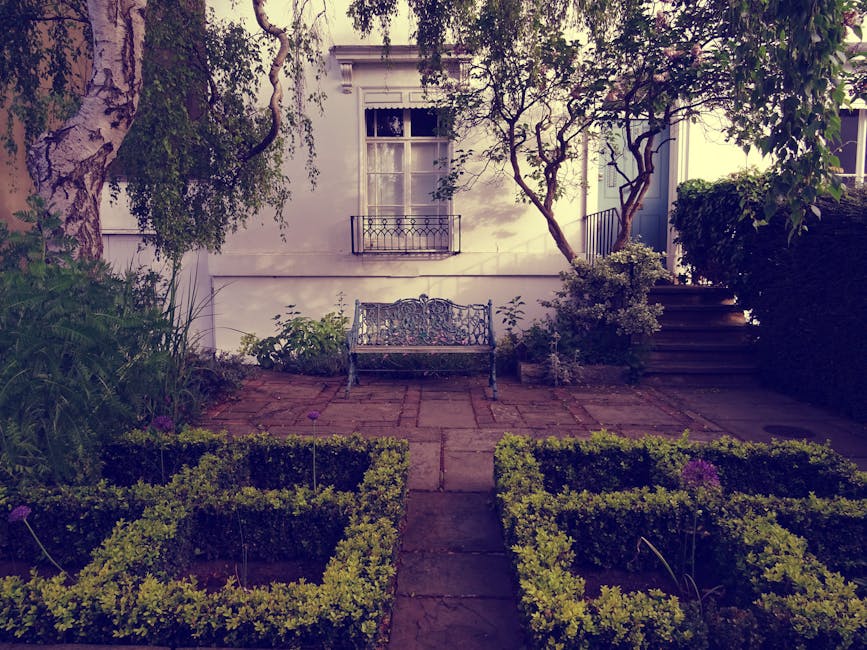
Peckham gardeners guide to Rye Lane courtyard gardens
If you are trying to turn a tight outdoor space near Rye Lane into something calm, usable, and genuinely lovely, you are in the right place. This Peckham gardeners guide to Rye Lane courtyard gardens is built for the real world: narrow access, patchy light, overlooked boundaries, tired paving, and that odd little pocket of space that never quite knows whether it wants to be a patio, a planting bed, or both. Truth be told, courtyard gardens can be brilliant. They just need a different approach from a bigger back garden.
In Peckham, especially around Rye Lane, many gardens sit between buildings, catch strong reflected light for part of the day, and face the usual London mix of compact layouts, privacy concerns, and not much storage. That does not make them difficult so much as specific. Once you understand how the space behaves, you can make it feel greener, softer, and much more useful. This guide walks through what courtyard gardens are, how they work, what to avoid, and how local gardeners usually get the best from them without overcomplicating the job.
We will also cover practical design choices, maintenance realities, compliance considerations, and a few sensible next steps if you are thinking about getting help. For broader planning and inspiration, you may also find it useful to look at garden maintenance services in London, lawn mowing and tidy-up support, and hedge trimming services if your courtyard connects to taller screening planting nearby.
Table of Contents
- Why Peckham gardeners guide to Rye Lane courtyard gardens Matters
- How Peckham gardeners guide to Rye Lane courtyard gardens Works
- Key Benefits and Practical Advantages
- Who This Is For and When It Makes Sense
- Step-by-Step Guidance
- Expert Tips for Better Results
- Common Mistakes to Avoid
- Tools, Resources and Recommendations
- Law, Compliance, Standards, or Best Practice
- Options, Methods, or Comparison Table
- Case Study or Real-World Example
- Practical Checklist
- Conclusion
- Frequently Asked Questions
Why Peckham gardeners guide to Rye Lane courtyard gardens Matters
Courtyard gardens are not just "small gardens". They behave differently. A courtyard near Rye Lane may be enclosed on several sides, exposed to heat bouncing off brick and paving, and shaped by access routes, shared walls, basement light wells, or upstairs windows. That changes what will grow, how water moves, where people actually sit, and how private the space feels.
Why does that matter? Because the wrong approach can leave you with a courtyard that looks tidy for a week and then starts feeling harsh, busy, or awkward. The right approach makes even a tiny outside area feel like an extra room. You notice it on a warm evening when the scent of herbs hangs in the air, or on a damp morning when the space still feels ordered rather than cluttered. Small things, yes. But they change how you use the home.
Rye Lane and the surrounding Peckham streets have a real mix of property types: new-build flats, older terraces, converted buildings, and shared-access spaces. That means one courtyard may need full redesign while another just needs smarter planting and less visual noise. In our experience, the best results come from treating the courtyard as a lived-in space, not a decorative afterthought.
For many homeowners and renters, the key issue is not ambition. It is clarity. What should the space do? Should it feel private, low-maintenance, family-friendly, or more lush and intimate? Answering that early saves time and money later. If you are also balancing other outdoor work, it can help to look at garden clearance services or landscaping services in London to understand the wider options before starting.
How Peckham gardeners guide to Rye Lane courtyard gardens Works
A good courtyard garden plan starts by reading the space properly. That sounds obvious, but many problems come from skipping this part. The main questions are simple:
- How much direct sun does the courtyard really get?
- Where does rainwater collect after a downpour?
- How is the space used now, and how do you want it to be used?
- What can be seen from neighbouring windows or upper floors?
- Is access narrow enough that materials must be carried through the property by hand?
Once those are clear, the design can be built around them. In a practical sense, that usually means choosing surfaces that are safe underfoot, adding planting that can tolerate the conditions, and making the space feel cohesive rather than pieced together. A courtyard garden is often less about having lots of plants and more about placing the right plants in the right places.
Many Peckham courtyards also benefit from layered structure. That might include a hard surface for seating, vertical planting to soften walls, containers for flexibility, and a few evergreen elements so the garden still looks alive in winter. No need to overdo it. The best small gardens often have restraint. A bit of rhythm. A bit of breathing room.
If access is tight, maintenance strategy matters just as much as design. For instance, a planter scheme that looks beautiful in spring but becomes a weekly headache in summer is not really a win. A local gardener will usually think about upkeep from day one, and if needed, coordinate with services such as tree surgery services for larger overhangs or stump removal where old roots or dead growth are causing practical issues.
Key Benefits and Practical Advantages
Courtyard gardens reward careful planning because the payoff is immediate. You are not waiting years for the whole thing to fill out. A few smart changes can transform how the space feels next week, not next decade.
- More usable outdoor space: a well-planned courtyard can become a coffee spot, reading corner, dining area, or storage-friendly transition zone.
- Better privacy: screening plants, trellis, and considered layout reduce the feeling of being overlooked.
- Lower visual clutter: compact spaces look better when there is a clear structure and fewer competing materials.
- Easier upkeep: the right planting and paving choices can keep maintenance manageable.
- Seasonal interest: a courtyard can still look good in winter if evergreens, bark, textured pots, and good structure are used well.
- Higher sense of calm: this is harder to measure, but very real. A tidy, green courtyard changes the tone of a flat or house.
There is also a practical property benefit, though it should be described carefully. A neat, attractive outside space can improve first impressions and day-to-day enjoyment, but results vary depending on location, condition, and the wider home. Not every garden needs to become a showpiece. Sometimes the real value is that you actually use it.
Expert summary: In small London courtyards, the best investment is usually not "more stuff". It is better layout, better drainage awareness, and planting that can hold its own in a compact environment.
Who This Is For and When It Makes Sense
This guide is for you if your outdoor space is small, enclosed, awkwardly shaped, or simply underused. That includes homeowners, landlords, tenants with permission to improve the garden, letting agents wanting to make a property more attractive, and anyone trying to soften a paved courtyard without turning it into a maintenance burden.
It makes sense to think about a courtyard project when:
- the space feels bare, hot, or exposed;
- plants keep struggling because the light or drainage has not been considered;
- there is too much paving and not enough softness;
- you want privacy from neighbouring windows;
- the garden is difficult to keep tidy because the layout is inefficient;
- you are preparing a property for sale or let and need the outside area to look cared for.
It is also useful if you have a busy life and need a low-fuss outdoor area. Let's face it, many people in Peckham are not looking for a high-maintenance horticultural project. They want something that looks good with sensible care, maybe a seasonal tidy-up, a couple of feeding rounds, and not much drama.
If you are unsure whether to refresh, repair, or fully redesign, a good first step is usually a site visit and a short plan. That can save you from making the classic mistake of buying plants before solving the layout. It happens more often than people admit.
Step-by-Step Guidance
Below is a straightforward way to approach a courtyard garden near Rye Lane without making it more complicated than it needs to be.
1. Assess the space honestly
Start with what is already there. Measure the area, note the sun pattern, check for damp patches, and look at how water drains after rain. If the courtyard is overlooked, note where privacy matters most. A quick sketch helps. Nothing fancy. Just enough to see the shape of the space clearly.
2. Decide what the garden must do
Every small garden needs a job. Do you want it for sitting, storing bikes, growing herbs, screening views, or simply making the back door feel nicer? Pick the main function first, then support it with the rest of the design. Trying to make a six-square-metre garden do everything usually ends in compromise.
3. Sort the hard landscaping
Courtyards rely heavily on surfaces, edging, and access. Make sure the flooring suits the use of the space. Some people prefer paving for a clean finish; others want gravel or decking-style elements for warmth. If the surface is already there, it may only need cleaning, repairs, or re-pointing rather than replacement. A competent gardener or landscaper will advise on what can be salvaged.
4. Build layers of planting
Think in layers: taller structure at the back or edges, medium planting in pots or beds, and lower planting near seating. In shaded courtyards, choose plants that tolerate lower light. In bright, reflective spaces, choose species that can handle heat and occasional dryness. The plant list should fit the site, not the other way around.
5. Add privacy thoughtfully
Privacy is usually a big one in Peckham courtyards. Trellis, climbers, slim screens, and carefully positioned taller pots can help without making the space feel boxed in. A bamboo screen can work in the right setting, though it should be selected and maintained carefully so it does not become tatty. Small space, big consequences, as they say.
6. Plan watering and maintenance
In London summers, small courtyards can dry out quickly because walls and paving hold heat. Set up a watering routine that is realistic. Self-watering containers can help. So can grouping pots with similar water needs. If the garden is going to be maintained professionally, it is worth setting expectations early and agreeing how often visits should happen.
7. Finish with a few deliberate details
This is where the space starts to feel lived in. A bench that fits properly, a few good pots, a quiet lighting option, and one or two strong focal plants can make all the difference. The aim is not to fill every corner. The aim is to make the courtyard feel calm and complete.
Expert Tips for Better Results
Here are the details that often separate a decent courtyard from one that feels genuinely well thought through.
- Use fewer, better materials. Three well-chosen finishes often look better than six competing ones.
- Think vertical. In compact spaces, walls are part of the garden. Use them for climbers, shelves, lights, or trellis where suitable.
- Choose repeat planting. Repeating the same plants or textures creates calm. Randomness can feel messy fast.
- Go for year-round structure. Evergreen shrubs, grasses, and textural pots keep the space from looking empty in winter.
- Check drainage before planting. Waterlogged containers or beds can undo a lot of good work.
- Match the maintenance to the owner. A very busy household needs simpler planting than a property with weekly care visits.
One thing people often overlook: sound. In a courtyard, every little noise feels closer. Loose gravel, dripping water, wind in screening, and even the scrape of a chair matter. That can be a nice thing or a nuisance, depending on how you plan the space. Small detail, big difference.
If you want seasonal upkeep to stay manageable, it may help to combine design with a reliable maintenance schedule, especially where hedges or taller planting need shaping through the year. Related support such as shrub and bush trimming and fence repair services can be relevant where boundaries and privacy are part of the brief.
Common Mistakes to Avoid
Courtyard gardens often fail for practical reasons, not because the owners lack taste. The same few mistakes come up again and again.
Choosing plants for looks alone
A plant that looks great in a nursery can still struggle in a shaded, windy, or heat-reflective courtyard. Always match the plant to the site. Pretty first, yes. But resilient first too.
Using too many small elements
Too many little pots, ornaments, tiles, and features make a compact garden feel busier than it is. In a small area, restraint often looks more expensive and more peaceful.
Ignoring drainage
Courtyards can suffer from pooling water, trapped moisture, or runoff from surrounding surfaces. If this is ignored, you may end up with slippery paving, plant stress, or damage over time. Not ideal, obviously.
Blocking access
It is easy to design something beautiful that is awkward to move through. Leave enough space to open doors fully, carry bags, and maintain plants without knocking things over.
Forgetting maintenance reality
If the planting needs weekly pruning, the owner will probably resent it by August. Be honest about how much care the garden will receive. That honesty saves money and frustration.
Neglecting the edges
Small gardens show their tired spots quickly. Crumbling joints, stained walls, tired paint, and messy boundary lines can dominate the whole view. Sometimes a clean-up, re-edging, or simple repair gives more impact than a new feature.
Tools, Resources and Recommendations
You do not need a huge kit to improve a courtyard garden, but the right tools make the work neater and less painful. Painful in the literal sense too, if you are carrying compost through a narrow hallway at eight in the morning.
- Measuring tape: for checking exact sizes before buying furniture or materials.
- Soil test kit or simple inspection tools: useful for understanding whether the space drains well.
- Good secateurs and a pruning saw: helpful for trimming climbers, shrubs, and overgrowth.
- Quality containers: heavier pots often perform better in windy courtyards and look more settled.
- Watering can or hose setup: keep irrigation realistic, especially for summer months.
- Mulch or decorative top layer: helps reduce drying and makes beds look finished.
- Soft cleaning tools for paving: useful for keeping surfaces safe and presentable.
On the resource side, it helps to use local, practical guidance rather than design ideas that only work in much larger gardens. If you are comparing service options, browse pages like jet washing services for surface cleaning, artificial grass installation if low upkeep is a major goal, and turfing services if you are considering a softer, greener finish in a suitable space.
Law, Compliance, Standards, or Best Practice
For most courtyard garden projects, the main compliance issues are practical rather than dramatic, but they still matter. If you are in a leasehold flat, shared property, or managed building, check what you are allowed to change before starting. That can include surfaces, planters, fixed trellis, and anything attached to walls or boundaries.
If you share walls, boundaries, or access routes with neighbours, it is worth being courteous and clear about noisy work, deliveries, and temporary mess. In many London settings, that simple bit of communication prevents more trouble than any formal rule ever will. It also keeps the project pleasant, which matters more than people admit.
Best practice in small garden work usually includes:
- protecting shared pathways during work;
- disposing of waste properly;
- checking whether climbing plants or fixings are suitable for boundary structures;
- avoiding run-off or debris affecting neighbours;
- using materials that suit the load and conditions of the site.
If structural changes are planned, or if there are questions about walls, access, or drainage, it is sensible to get professional advice rather than guessing. That is especially true in older properties. A little caution now can save a messy repair later.
Options, Methods, or Comparison Table
Not every courtyard needs a full redesign. Sometimes the best choice is a light refresh. Other times, a more involved rebuild is the smarter long-term move. Here is a simple comparison to help you think it through.
| Approach | Best for | Typical benefits | Main drawback |
|---|---|---|---|
| Light tidy and plant refresh | Courtyards that are basically sound but tired | Quick improvement, lower cost, minimal disruption | Limited structural change |
| Replanting with better structure | Spaces with weak planting but decent hard landscaping | Better year-round interest, more privacy, improved style | Needs ongoing care and plant selection skill |
| Surface and layout redesign | Courtyards with poor flow, drainage, or worn materials | Major usability gains, stronger visual impact | More planning, more disruption, usually a bigger budget |
| Low-maintenance simplification | Busy households or rental properties | Easier upkeep, cleaner appearance, fewer plant failures | Can feel less lush if over-simplified |
If you are not sure which route suits you, start with the version that gives the biggest improvement for the least disruption. Often that is not full replacement. Often it is better structure, better drainage awareness, and less clutter. Nothing glamorous, but very effective.
Case Study or Real-World Example
Consider a typical Peckham courtyard off Rye Lane: narrow, paved, overlooked from one side, and used mostly for storage and occasional sitting out. The owners want it to feel greener without making it high maintenance.
The first move is not planting. It is sorting the structure. Old broken pots are removed, the paving is cleaned, and the most visible boundary is softened with a mix of slim trellis and climbers suited to the available light. A couple of larger containers anchor the corners, which stops the space feeling like a corridor. An evergreen plant gives the eye something to hold onto through winter.
Then the practical bits: a small bench is placed where it does not block movement, a watering routine is set, and the owner chooses just a handful of plant types rather than a jumble of tempting options. The result is not a "finished" garden in the glossy brochure sense. It is better than that. It is usable. It feels private. And it does not nag at them every time they step outside.
That is usually what successful courtyard work looks like. Not dramatic. Just right.
Practical Checklist
Use this checklist before starting work on a small Rye Lane courtyard garden.
- Measure the space accurately.
- Note sun, shade, wind, and damp areas.
- Decide the main purpose of the garden.
- Check access for materials and waste removal.
- Review any leasehold, shared boundary, or neighbour considerations.
- Choose a limited number of hard materials.
- Select plants that suit the actual light and moisture conditions.
- Plan privacy screening where needed.
- Think about how the garden will be watered and maintained.
- Keep one simple focal point rather than many competing features.
- Allow space for movement, cleaning, and everyday use.
- Set a seasonal maintenance schedule.
If you can tick most of those off, you are already ahead of many garden projects. Really. The basics matter more than the fancy bits.
Conclusion
A well-planned courtyard can transform how a Peckham home feels. The best results come from understanding the site first, then designing around real use rather than wishful thinking. In small spaces near Rye Lane, clarity beats clutter, and practical planting beats impulse buying every time.
This Peckham gardeners guide to Rye Lane courtyard gardens has covered the key decisions: how to assess the space, what to prioritise, where people go wrong, and how to keep the result manageable long term. If you approach it patiently, your courtyard can become one of the most satisfying parts of the property. Small, yes. But meaningful. Sometimes that is the whole point.
And if you are standing at the back door wondering whether the space can really be improved, the answer is usually yes. With the right plan, it can change more than you expect.
Get a free quote today and see how much you can save.
Frequently Asked Questions
What makes a courtyard garden different from a normal garden?
A courtyard garden is usually smaller, more enclosed, and more dependent on surfaces, boundaries, and container planting. It often needs more careful planning around light, drainage, and privacy than an open garden.
Can a small Rye Lane courtyard still feel lush?
Yes, absolutely. The trick is to use layered planting, repeated textures, and a few strong structural features. You do not need a huge number of plants. You need the right ones in the right places.
What plants work well in Peckham courtyard gardens?
That depends on the light and shelter levels. In many courtyards, a mix of evergreen structure, shade-tolerant species, climbers, and container-friendly plants works well. A local gardener should assess the site before recommending a planting list.
How do I make a courtyard garden more private?
Trellis, climbers, tall pots, screening plants, and careful positioning of seating can all help. The goal is to block sight lines without making the space feel boxed in.
Is artificial grass a good option for a small courtyard?
It can be, in the right setting, especially where upkeep needs to be very low. But it is not always the best answer. Drainage, appearance, and heat retention should all be considered before choosing it.
Do courtyard gardens need a lot of maintenance?
Not necessarily. A well-designed courtyard can be quite manageable if the planting matches the site and the materials are chosen sensibly. The maintenance load usually comes from poor planning, not the space itself.
What is the biggest mistake people make with small gardens?
Trying to do too much. Too many materials, too many plant types, too many features. In small spaces, restraint is usually the stronger design choice.
Should I start with planting or paving?
Usually paving, layout, and drainage come first. Once those are settled, planting can be chosen to suit the finished space. That order helps avoid expensive rework later.
Can I improve a courtyard if access is very tight?
Yes. Tight access just means the project needs better planning. Materials may need to be carried in manually, and the design may need to avoid oversized features. It is still very doable.
What should I ask a gardener before hiring them for a courtyard project?
Ask how they approach small-space design, what they recommend for your light conditions, how they handle drainage and access, and what maintenance the finished garden will need. A good gardener will answer clearly and realistically.
Do I need permission to change my courtyard garden?
If the property is leasehold, shared, or part of a managed building, you may need permission for some changes. It is wise to check before altering surfaces, fixing structures to walls, or making anything that affects shared areas.
How often should a courtyard garden be maintained?
That depends on the planting and the season. Many small courtyards benefit from regular light attention rather than occasional heavy work. In practice, a little and often approach keeps the space looking much better.